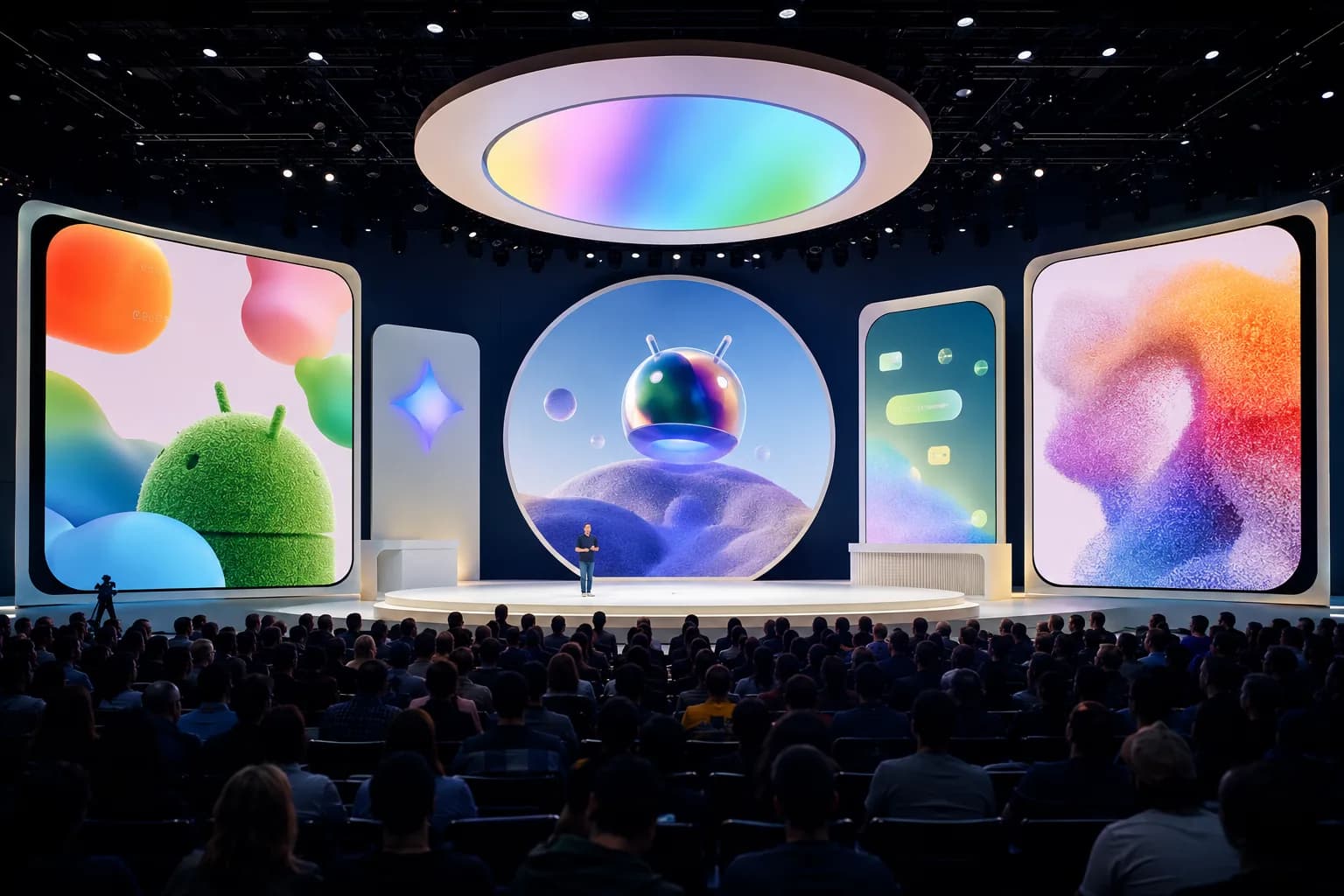
Google I/O 2026 is now close enough that the useful questions are practical: when does the keynote start, how should you watch it, and which Android and Gemini announcements are most likely to matter after the livestream ends?
Google has already published the main schedule. I/O runs May 19-20, 2026, with the Google keynote at 10:00 a.m. PT on May 19 and the Developer keynote at 1:30 p.m. PT the same day. Google is also framing this year's event around AI, Android, Chrome, Cloud, and developer workflows, so the keynote is likely to be broader than a normal Android feature preview.
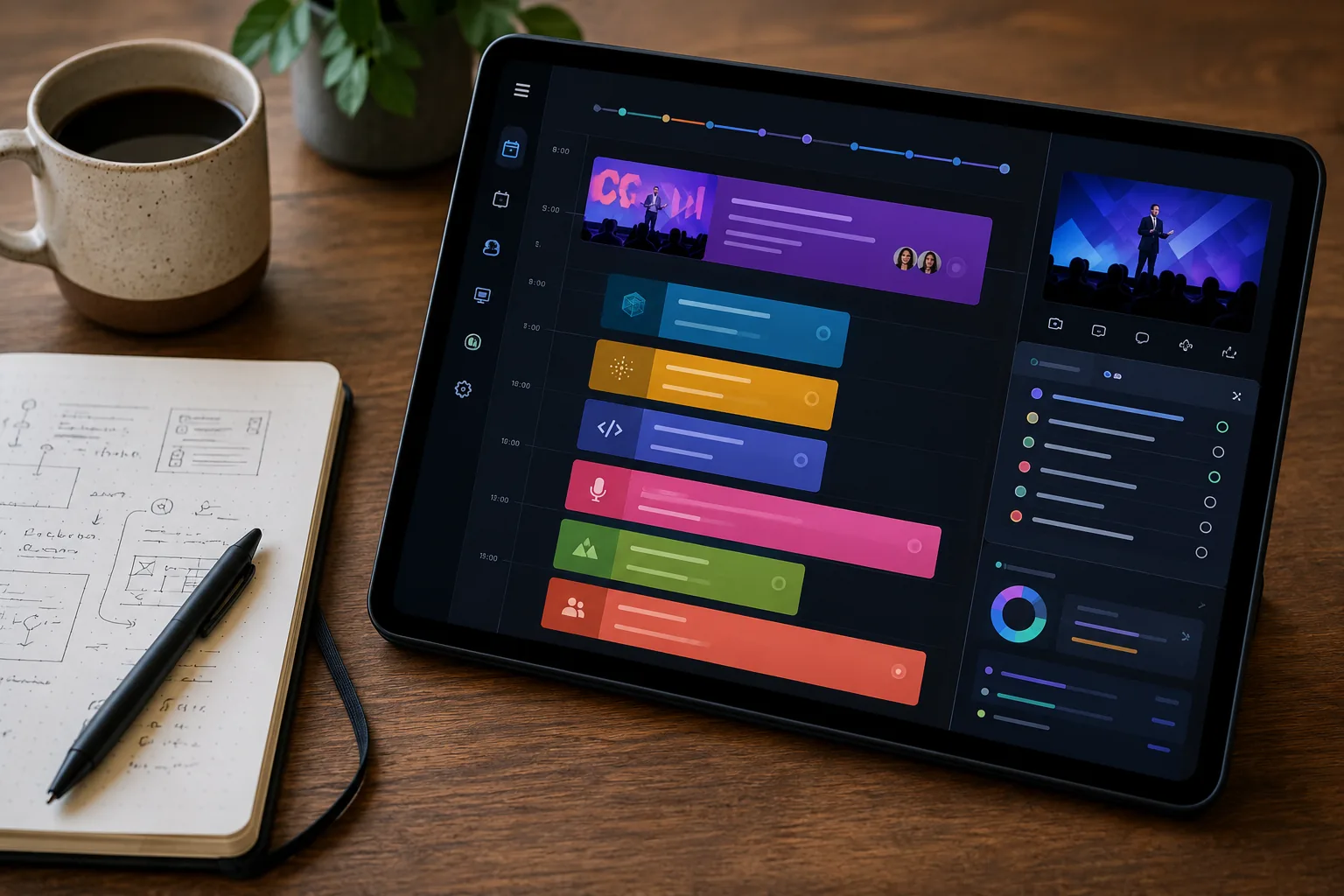
Google I/O 2026 date and keynote time
Here is the simple schedule to keep handy:
| Session | Date | Time |
|---|---|---|
| Google keynote | May 19, 2026 | 10:00 a.m. PT |
| Developer keynote | May 19, 2026 | 1:30 p.m. PT |
| Livestreamed sessions and demos | May 19-20, 2026 | Across both days |
| On-demand sessions and codelabs | May 21, 2026 | After the live event |
For most readers, the Google keynote is the one to watch live. That is where Google usually sets the product story for the year. Developers should also track the Developer keynote because it tends to include the APIs, platform details, and tool changes that determine what can actually be built after the announcements.
Why Google I/O 2026 is trending now
Search interest is rising for three reasons.
First, the event is only days away. People want the exact date, time, and livestream details before the keynote starts.
Second, Google has already said the event will cover major updates across AI, Android, Chrome, Cloud, and more. That means the audience is not limited to Android fans. Gemini users, web developers, cloud teams, and AI builders all have a reason to watch.
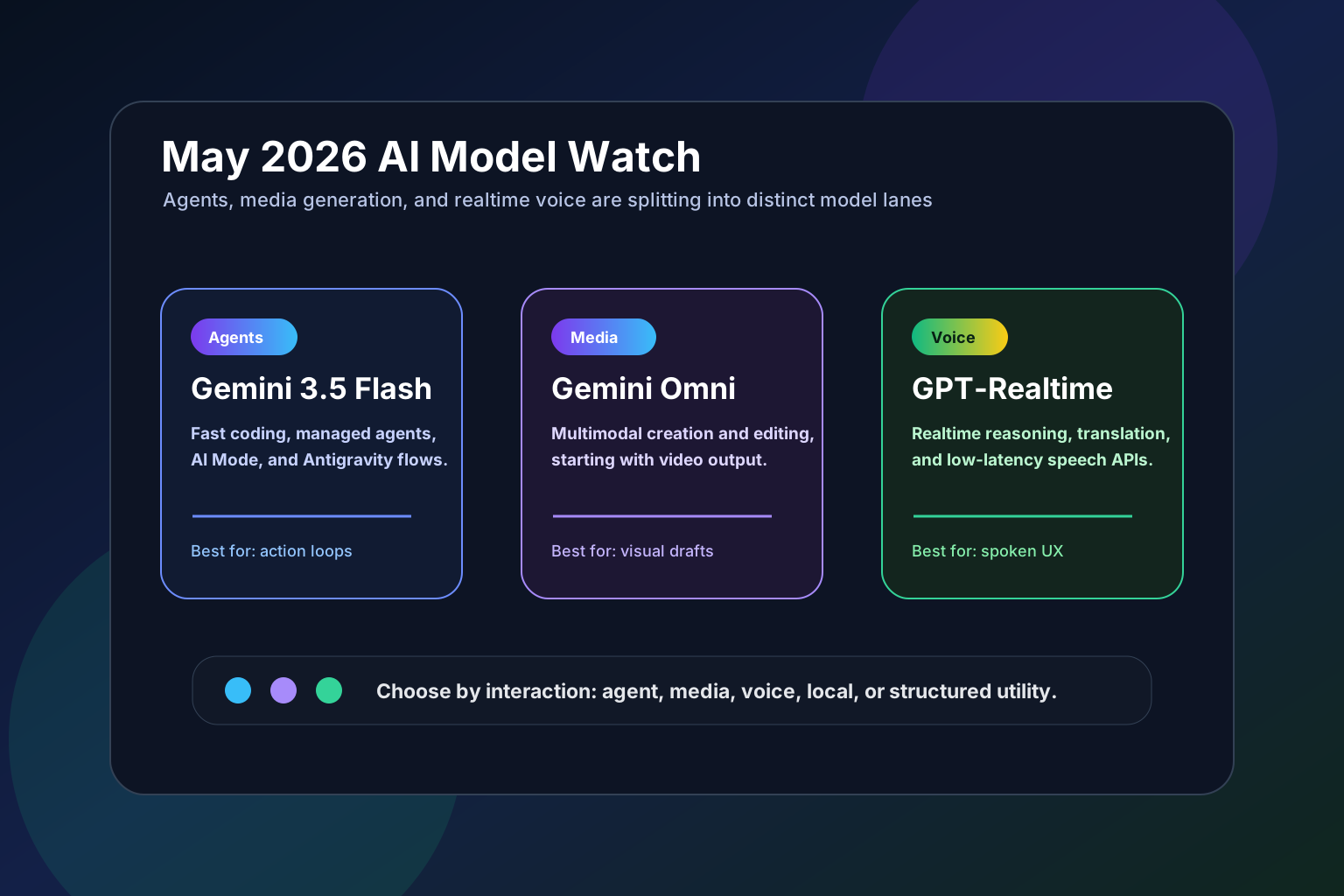
Third, Google has put agentic coding and Gemini model updates directly in the event preview. That is a strong signal that I/O 2026 will not just be about app polish or platform housekeeping. Google wants to show how AI changes the way people build, automate, and use software.
What The Android Show already revealed
The Android Show on May 12 gave I/O watchers a useful preview. Google described Android as moving from an operating system toward an "intelligence system," with Gemini Intelligence becoming a larger layer across devices.
The key detail is rollout timing. Google says Gemini Intelligence features will roll out in waves, starting this summer on the latest Samsung Galaxy and Google Pixel phones. Later in 2026, those features are expected to expand across watches, cars, glasses, and laptops.
That tells us two things about I/O. Google may not need to spend the keynote introducing every basic Android idea from scratch, because part of the story is already public. Instead, the I/O stage can show higher-level demos: how Gemini works across apps, how developers can plug into Android's agent layer, and how Android experiences adapt beyond phones.
Biggest Google I/O 2026 announcements to expect
1. Gemini and agentic coding updates
This is the safest bet because Google has said it directly. Expect Gemini to appear both as a user-facing assistant and as developer infrastructure.
The developer angle matters. Google has been moving toward AI tools that can help with prototyping, debugging, web app workflows, Android development, and multi-step software tasks. At I/O, the question is not simply whether Gemini gets smarter. The bigger question is how much of that intelligence becomes available inside everyday developer tools.
2. Android intelligence features
The Android Show preview makes it clear that Android's next phase is more about context, actions, and cross-app help than ordinary settings changes. Gemini Intelligence can automate selected tasks across apps with user transparency and control, which could become one of the most important Android stories of the year.
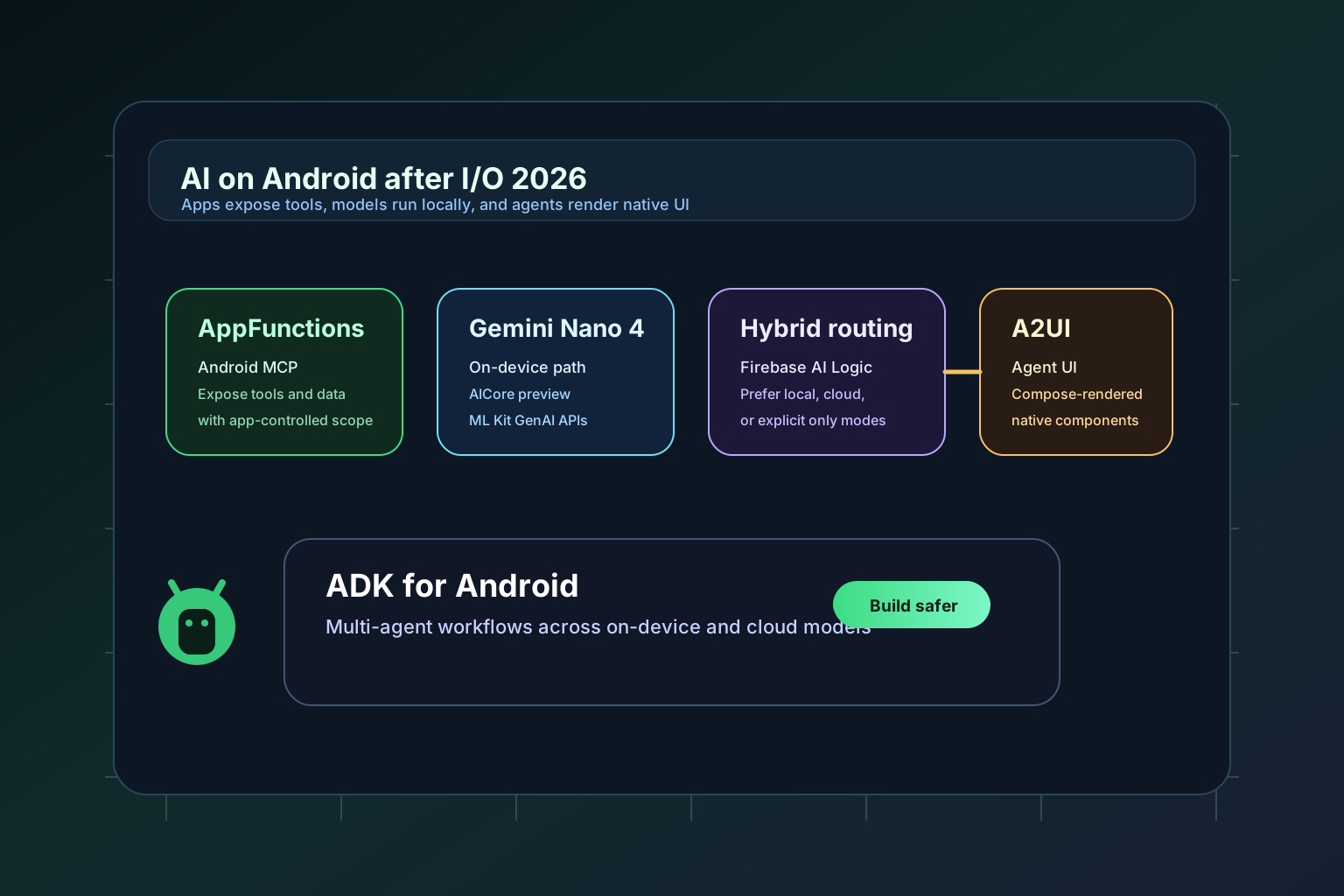
For everyday users, this could mean Android gets better at handling multi-step requests. For developers, it means apps may need to think about how agents discover actions, services, and useful app states.
3. Cross-device AI expansion
Phones are only the first part of the story. Google has already pointed to watches, cars, glasses, laptops, foldables, tablets, and XR experiences as part of the broader Android canvas.
That makes I/O 2026 important for anyone watching Android beyond phones. If Google can explain how Gemini experiences move across screens without becoming confusing, the event could give Android a clearer ecosystem story than it has had in years.
4. Chrome, Cloud, and web development
Google's official preview names Chrome and Cloud alongside Android and Gemini. These may not generate the loudest consumer headlines, but they often matter most after the keynote. Developers should watch for browser tooling, AI-assisted web workflows, deployment improvements, and Cloud services that connect Gemini to real production apps.
5. Android app development updates
The Developer keynote should be especially important for Android teams. Google has already previewed themes around adaptive apps, widgets, Android XR, Android Auto, and APIs that help agents interact with apps more directly.
If you build Android apps, do not stop at the main keynote. The follow-up sessions are where the practical migration notes usually appear.
What probably will not dominate the event
Hardware may appear, but Google I/O 2026 looks more software-heavy than gadget-heavy. The official framing points toward Gemini, Android, Chrome, Cloud, and developer tools rather than a hardware-first launch show.
That means readers should keep expectations grounded:
- Do not expect the event to revolve around a single Pixel device.
- Do expect AI features to be shown across several Google products.
- Do expect Android to be framed as part of a wider Gemini ecosystem.
- Do not assume every demo will reach every phone immediately.
That last point is important. Google has already described phased rollouts for Gemini Intelligence, so availability will likely depend on device capability, region, language, partner support, and timing.
How to watch Google I/O 2026 live
The cleanest plan is simple:
- Register or bookmark the official Google I/O site before May 19.
- Watch the Google keynote at 10:00 a.m. PT on May 19.
- Follow the Developer keynote at 1:30 p.m. PT if you build apps, websites, AI workflows, or cloud services.
- Check the on-demand sessions and codelabs after the live event, especially on May 21.
If you only want the biggest consumer headlines, the main keynote is enough. If you care about what developers can actually use, the Developer keynote and sessions are where the more durable details usually land.
Why Google I/O 2026 matters
Google I/O 2026 matters because it sits at the intersection of several active platform shifts. Gemini is becoming more than a chatbot, Android is being positioned as an intelligence layer across devices, and developer tools are being rebuilt around agents rather than only manual workflows.
That combination gives Google a chance to answer a bigger question: can it turn AI into an ecosystem feature that works across phones, browsers, cars, watches, laptops, and developer tools without making each product feel disconnected?
If Google answers that well, I/O 2026 will shape more than one week of tech headlines. It will shape how Android users, app developers, and AI builders think about Google's platform direction for the rest of the year.
FAQ
When is Google I/O 2026?
Google I/O 2026 runs from May 19 to May 20, 2026.
What time is the Google I/O 2026 keynote?
The main Google keynote starts at 10:00 a.m. PT on May 19, 2026. The Developer keynote follows at 1:30 p.m. PT.
What will Google announce at I/O 2026?
Google has confirmed a focus on AI, Android, Chrome, Cloud, agentic coding, and Gemini model updates. The Android Show also points to Gemini Intelligence and cross-device Android experiences as major themes.
Will Google I/O 2026 include Android news?
Yes. Android is one of the confirmed event areas, and Google has already previewed Gemini Intelligence and new developer opportunities around Android apps and devices.
Is Google I/O 2026 only for developers?
No. Developers get the deepest value from the sessions and codelabs, but the keynote also matters for everyday users because it previews Google's direction for Android, Gemini, Chrome, and connected devices.